
WOLVERHAMPTON WINDRUSH MONUMENT
"An Anchor in History. A Beacon for the Future."
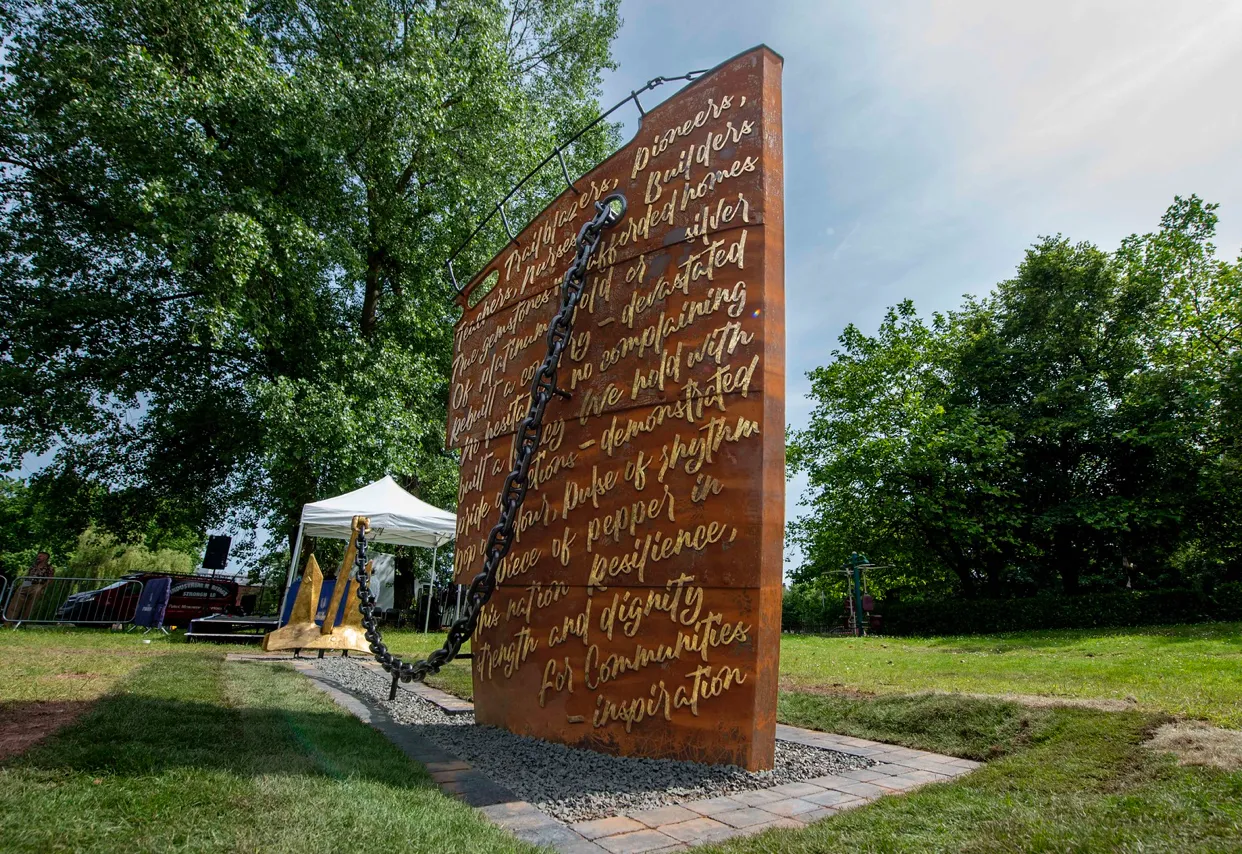
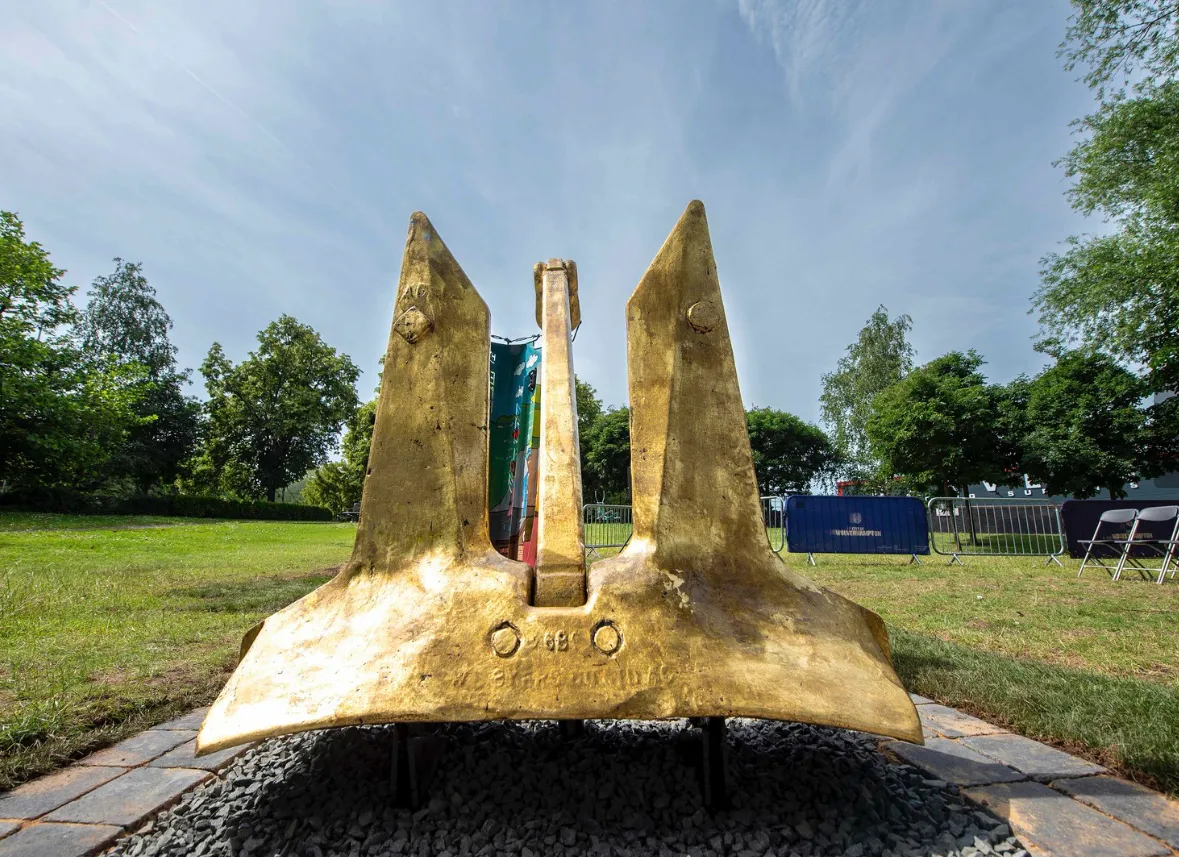
The Wolverhampton Windrush Monument stands as a lasting tribute to the generations of Caribbean people who helped shape the city and modern Britain. More than a monument, it is a story cast in steel, colour, and words, honouring those who crossed oceans, rebuilt communities, and created legacies that continue to influence Wolverhampton today.
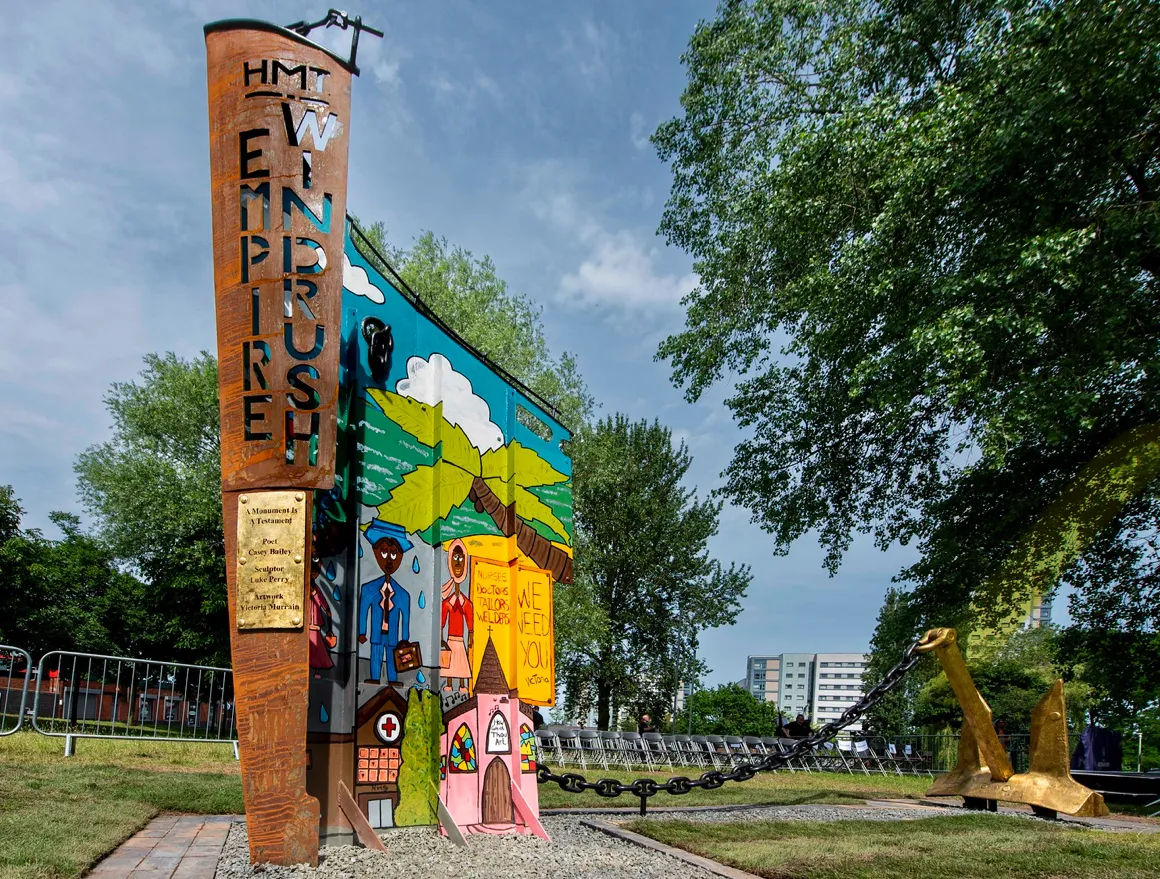
Created through the collaboration of sculptor Luke Perry, artist and designer Victoria Murrain Asare, and poet Casey Bailey, the monument brings together history, art, and community memory. It celebrates the courage, determination, and resilience of those who answered Britain's call following the Second World War and who helped rebuild a nation while overcoming significant hardship and discrimination.
At the heart of the monument stands an anchor. Traditionally, an anchor represents stability, strength, hope, and belonging. For the Windrush Generation, these themes carry particular meaning. Men and women arrived from across the Caribbean seeking opportunity and a better future, often leaving family, friends, and familiarity behind. Many settled in Wolverhampton, working as nurses, teachers, transport workers, factory employees, public servants, carers, builders, and community leaders. Through their labour, sacrifice, and commitment, they became part of the foundation upon which the city continues to grow.
Emerging from the anchor is the image of a ship, representing the journeys that brought thousands of Caribbean people across the Atlantic. While inspired by the arrival of HMT Empire Windrush in 1948, the ship symbolises every journey, every farewell, every hope, and every act of faith made by those who chose to leave one home to build another. Together, the ship and anchor tell a powerful story of movement and belonging, courage and permanence, arrival and legacy.
The monument's distinctive visual identity was shaped by Victoria Murrain Asare, whose parents were part of the Windrush Generation. Drawing inspiration from the Black experience, iconography, colour, and community heritage, her contribution celebrates the vibrancy, creativity, and cultural richness that Caribbean communities have brought to Wolverhampton and Britain. Through artistic expression, the monument reflects not only history but also joy, resilience, identity, and pride.
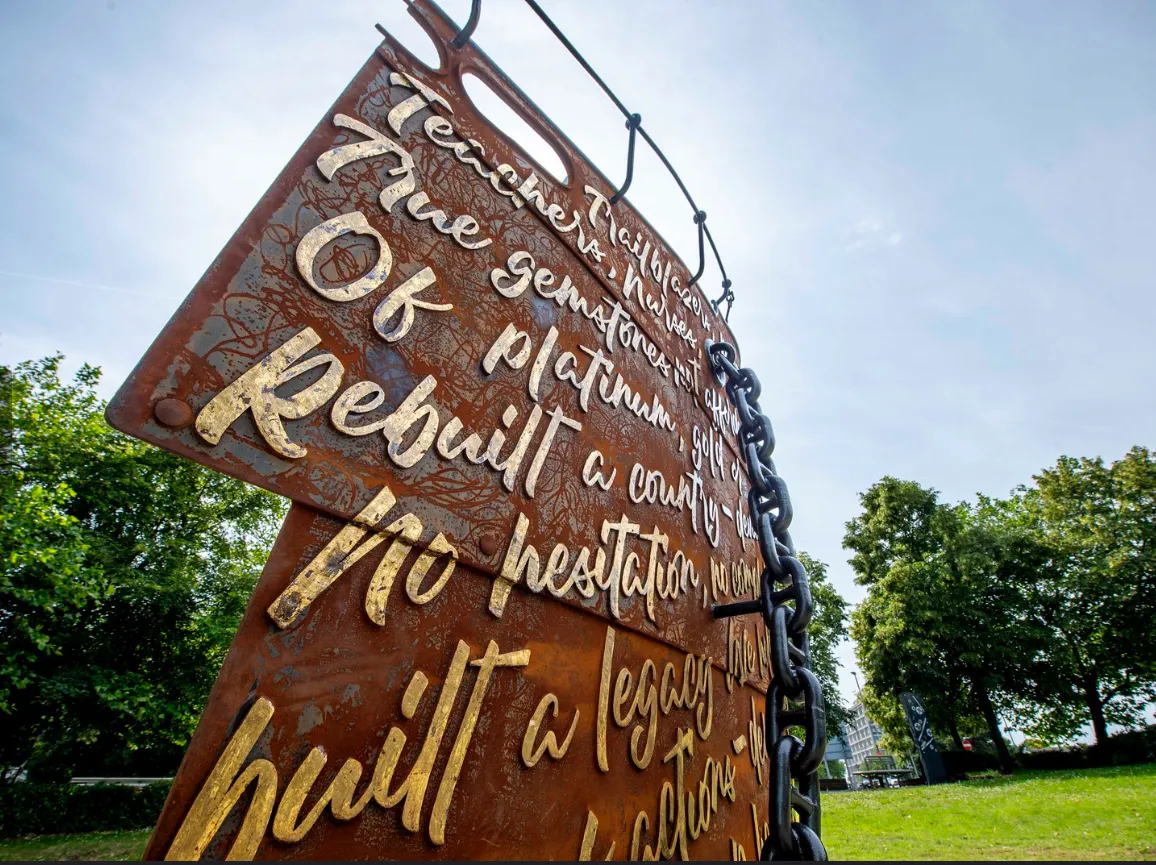
The story is further brought to life through the words of award-winning poet Casey Bailey, whose poem was developed using community voices and experiences. His words recognise the countless individuals whose contributions transformed communities and helped rebuild post-war Britain:
"Trailblazers, pioneers,
Teachers, nurses, builders,
True gemstones not afforded homes
Of platinum, gold or silver."
The poem honours those whose contributions were invaluable, even when they did not always receive the recognition they deserved. It goes on to acknowledge the role they played in rebuilding Britain:
"Rebuilt a country devastated,
No hesitation, no complaining, built a legacy
We hold with pride."
The final verses celebrate the enduring influence of Caribbean culture, recognising the colour, creativity, rhythm, resilience, strength, and dignity that continue to enrich British society.
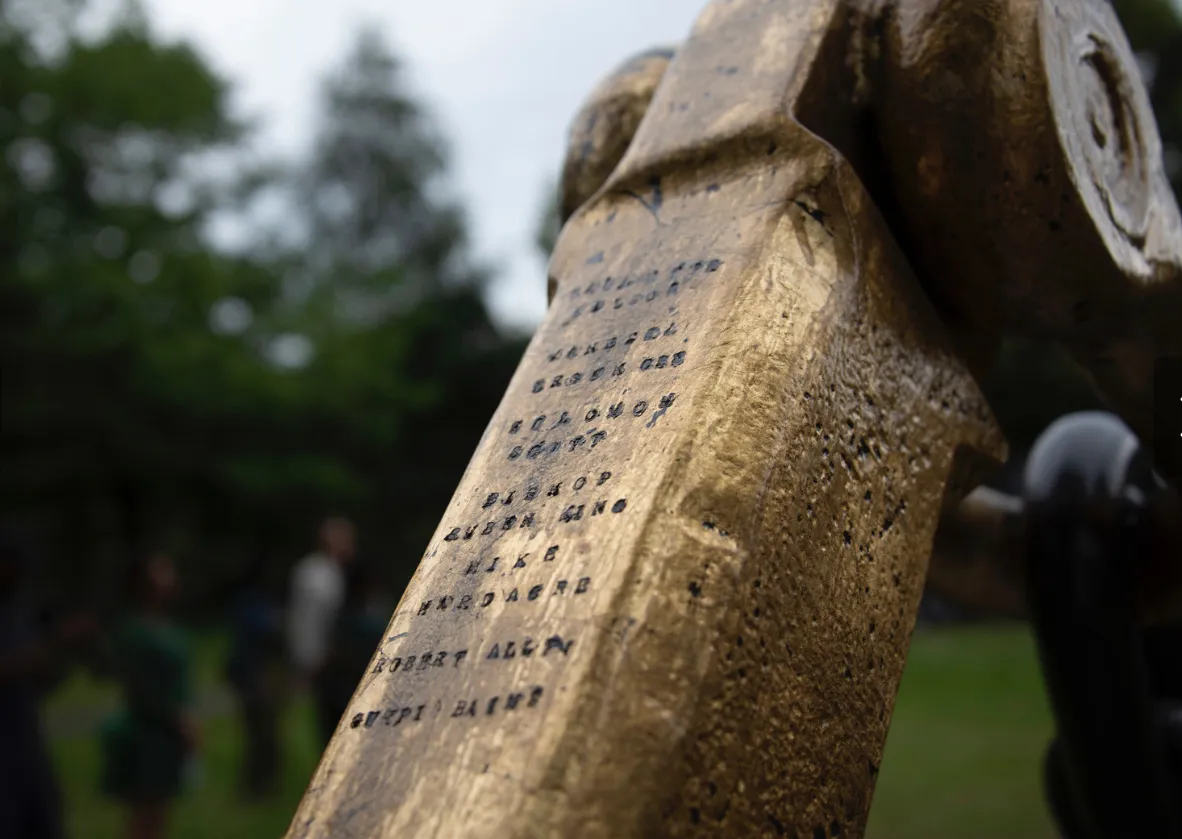
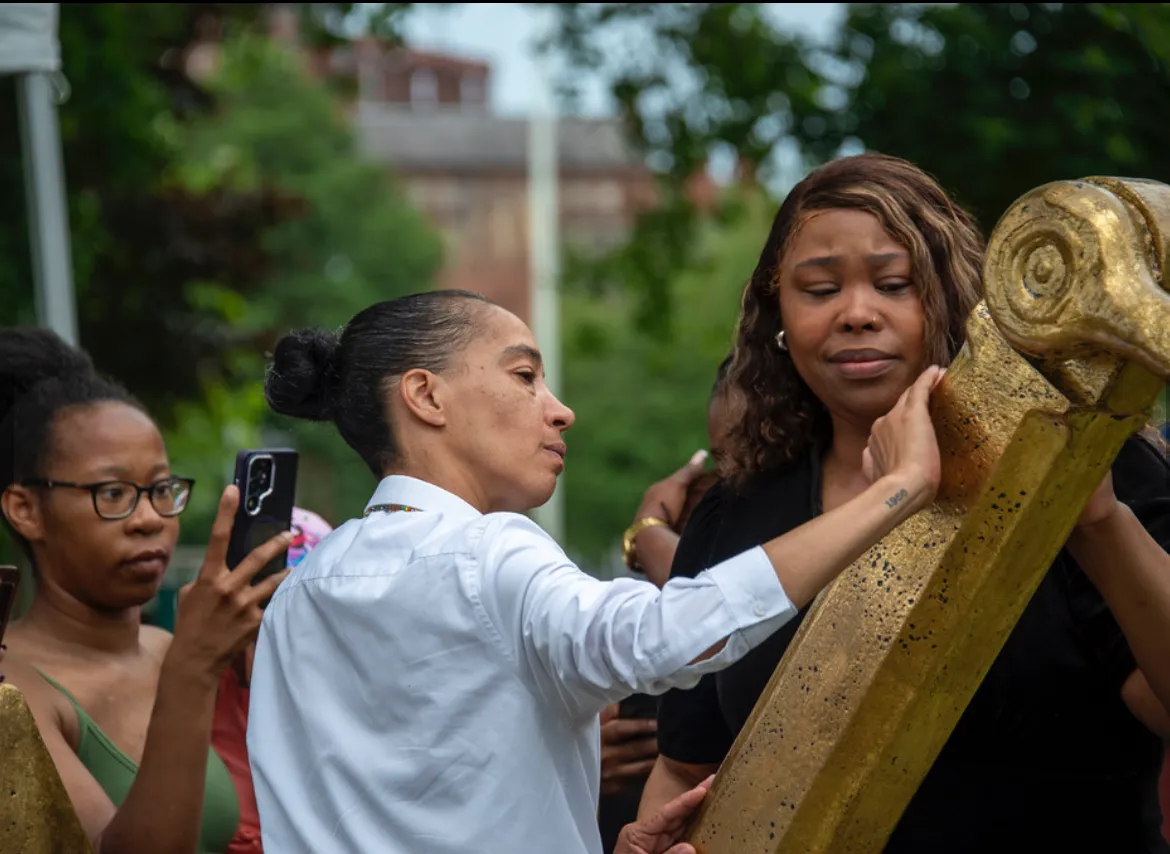
One of the most significant features of the monument is the inclusion of names etched directly into its structure. These names form part of Wolverhampton's Windrush 100 Ambition, a long-term vision looking towards the centenary of the arrival of Empire Windrush in 2048.
Rather than creating a monument that simply remembers a historic event, the Windrush 100 Ambition seeks to create a living legacy. The engraved names recognise the people, families, and communities whose contributions helped shape Wolverhampton across generations. Each name tells a story of service, sacrifice, achievement, and belonging. Together they ensure that the legacy of the Windrush Generation is permanently woven into the fabric of the city.
The names remind us that history is not made only by famous figures. It is created by ordinary people whose extraordinary efforts helped build schools, hospitals, businesses, places of worship, community organisations, and strong families. By etching their names into the monument, Wolverhampton ensures their stories remain visible for future generations.
Today, the Windrush Monument stands as both a memorial and an aspiration. The anchor tells us where we came from. The ship reminds us of the journey. Victoria's artistic vision celebrates identity and heritage. Casey Bailey's poem gives the monument its voice. The etched names ensure that those who built the legacy are never forgotten.
As Wolverhampton moves towards Windrush 100 in 2048, the monument serves as a permanent reminder that the courage, contribution, and determination of the Windrush Generation continue to inspire the city. Their story is not only part of our history. It is part of our future.
By Solomon Scott