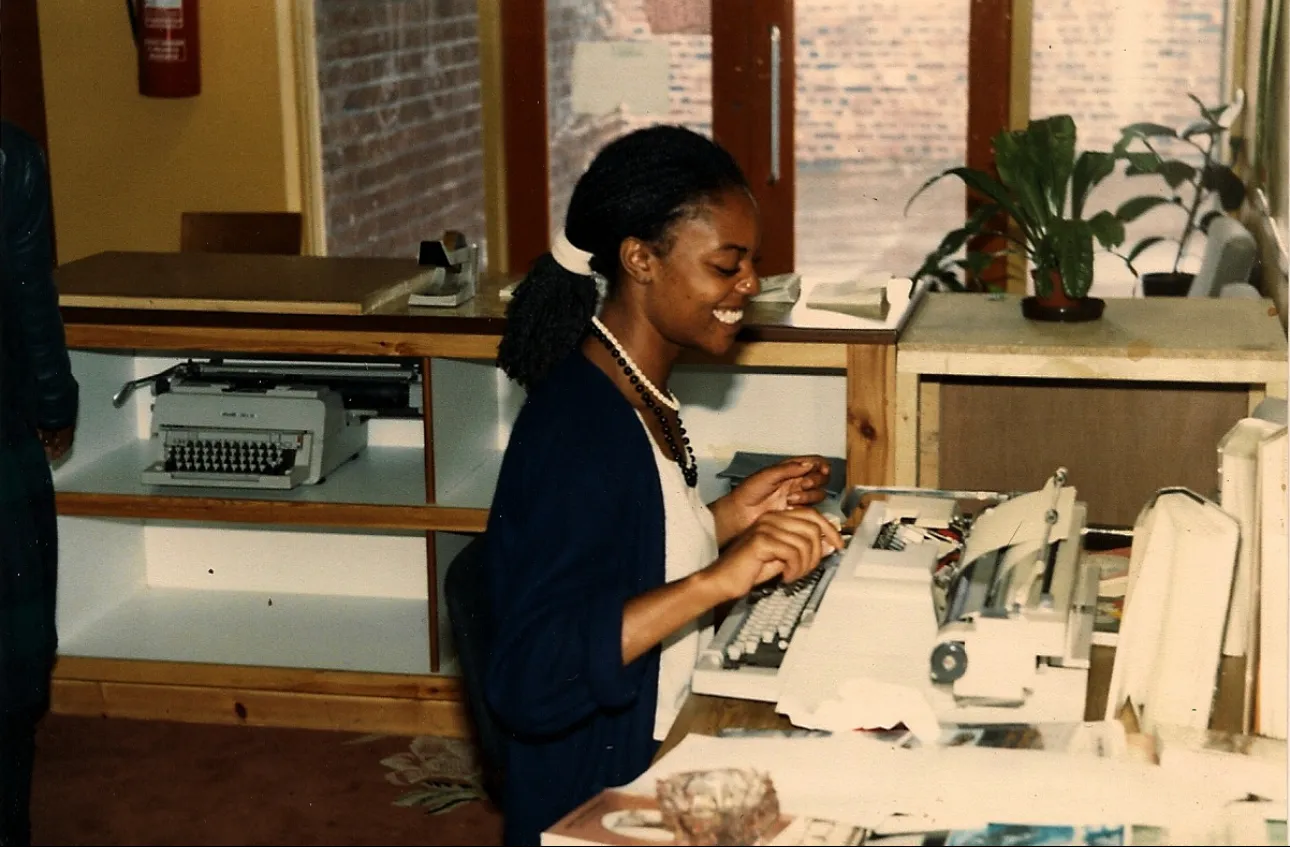
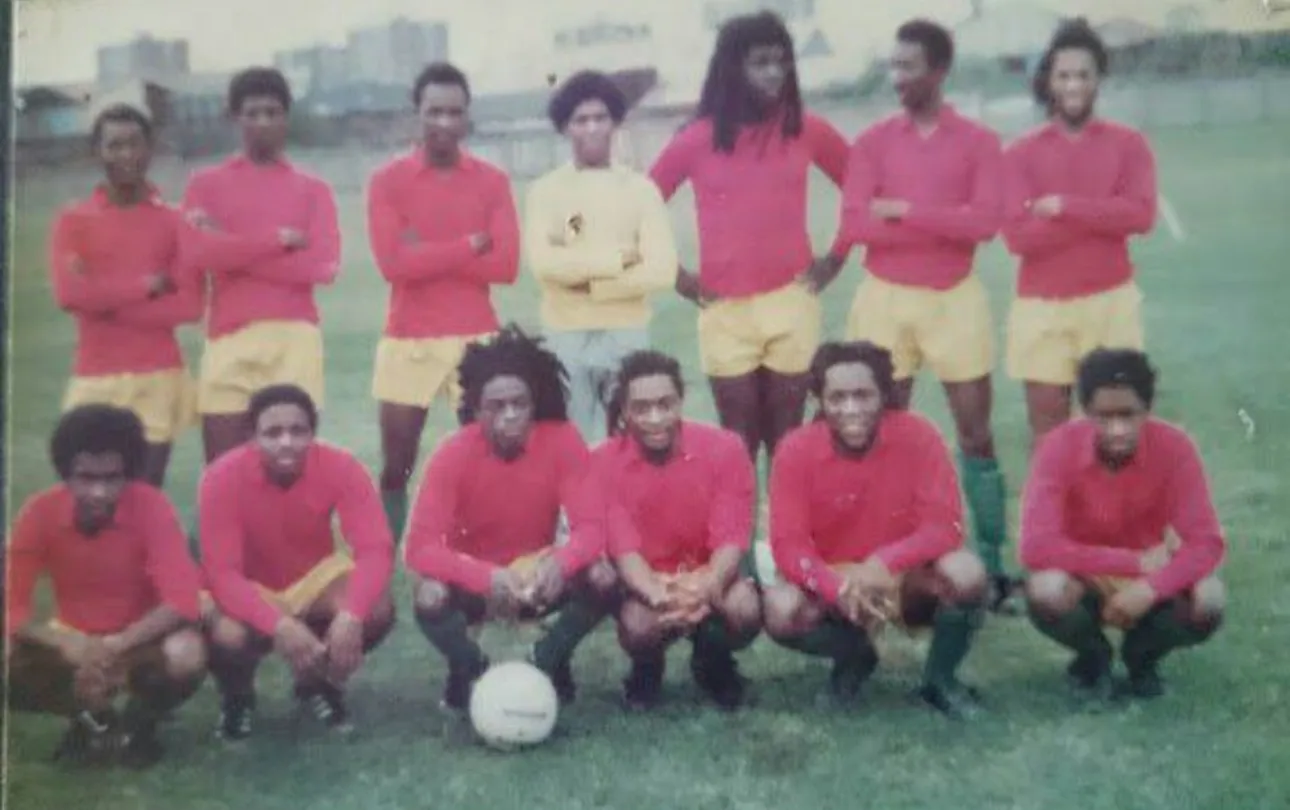
Wolverhampton Rasta Progressive Association (WRPA)
A Legacy of Community, Culture, Education and Empowerment
1978–1987
The Beginning of a Community Movement
The Wolverhampton Rasta Progressive Association (WRPA) was established in 1978, bringing together members of Wolverhampton’s Rastafarian community with a shared vision of unity, cultural identity, education and community empowerment.
At a time when Black communities faced significant social inequalities, discrimination and limited access to resources, the WRPA became an important organisation advocating for change and creating opportunities for African Caribbean residents.
The association initially operated from the former Wolverhampton Council for Community Relations (WCCR) offices on Waterloo Road. From these premises, members developed a growing range of activities and services designed to support the community.
What began as a relatively small organisation would become an influential centre for education, employment, cultural expression and social support.
The Fight for a Community Centre
By 1980, the WRPA faced an uncertain future as its Waterloo Road premises were under threat of closure.
The association’s chairman, Danny Grizzle, appealed to Wolverhampton Council to provide alternative accommodation, emphasising the importance of maintaining a dedicated space for the Rastafarian community.
The WRPA was already delivering practical workshops in electrical skills, sewing and woodwork, alongside social activities and opportunities for religious worship.
Speaking to the Wolverhampton Community Press in November 1980, Grizzle expressed frustration at the lack of support available to Black residents.
His comments reflected wider concerns about racial inequality and the need for meaningful investment in Wolverhampton’s Black communities.
The campaign took place against a backdrop of racial tension in the town, including a reported racist attack on a group of Black young people outside the George Hotel in 1980.
At a council meeting on 28 January 1981, council leader John Bird acknowledged the importance of providing community facilities and warned of the potential consequences of continued inequality and unrest.
The proposal nevertheless faced opposition, including objections from the Old Heath Tenants’ Association, which had also sought premises for its own community centre.
Despite these challenges, the WRPA continued its campaign for a permanent home.
A New Beginning: The WRPA Community Centre, 1984
A major milestone was reached when the association secured premises at the former Eastfield School.
The council invested £4,300 in repairs, while the WRPA received £60,000 through the Inner Area Programme to establish its community centre. A further £10,600 was allocated towards alterations and improvements.
On 29 February 1984, the WRPA Community Centre officially opened, with Councillor Chris Laws performing the opening ceremony.
The building became much more than a meeting place.
Over the following two years, members and workers transformed the premises into a thriving community hub, creating offices, a playroom, a large hall, a library and dedicated workshop spaces.
In 1985, the association also received permission to use an on-site garage for additional training activities.
At its height, the WRPA employed approximately 30 workers, supported through the government’s Manpower Services Commission.
The centre became a place where people of different ages could learn new skills, receive support, celebrate their heritage and build stronger community connections.
Education, Employment and Skills Development
Education and practical training were central to the WRPA’s work.
The association delivered eight vocational training workshops covering subjects including arts and crafts, catering, electronics, decorating, upholstery and woodwork.
These programmes provided opportunities for residents to develop skills, improve their employment prospects and gain greater independence.
In partnership with Bilston Community College, the WRPA also established an education programme in 1984.
Weekly classes offered learning opportunities in English, mathematics, business studies and law.
The association supported enterprise and creativity through businesses operating from the centre.
One-Cut Designs produced its own range of tracksuits, while another enterprise, P.A. Hire, achieved recognition by winning the Handsworth Carnival Cup in 1985.
These initiatives demonstrated the association’s commitment to creating economic opportunities within the community.
Supporting Children and Young People
The WRPA recognised that investing in young people was essential to building a stronger future.
Throughout the 1980s, the association developed educational and recreational programmes designed to support children and families.
The Saturday School
Established in October 1985, the Saturday School welcomed children aged 6 to 14.
Running from 11am to 2pm, it provided lessons in English, mathematics and cultural studies.
The school offered children an opportunity to strengthen their academic abilities while learning about African Caribbean history, identity and heritage.
Easter and Summer Schools
Beginning in 1985, the WRPA introduced holiday education programmes for children aged 6 to 16.
These provided structured learning and activities outside normal school terms.
The Latchkey Club
The Latchkey Club provided a safe and welcoming environment for children whose parents were working.
Operating between 3.30pm and 6pm, the club welcomed up to 30 children and offered activities including board games, pool and table tennis.
Early Years Playgroup
In late 1984, the WRPA established a playgroup for children aged two and a half to five.
The service provided early learning activities, including counting and alphabet recognition, alongside refreshments and free transport.
For a small fee of 20p per session, families could access affordable childcare and educational support.
Schools Outreach
The WRPA also worked with Moreton School in Bushbury, delivering sessions to final-year pupils on discrimination, law, social awareness and life skills.
In December 1985, the project organised a cultural day at Wulfrun College.
These initiatives helped bring discussions about equality, culture and social responsibility into educational settings.
Empowering Black Women
Women played an important role in the WRPA’s development and community activities.
An early women’s group brought together young women aged 16 to 19, providing opportunities to develop practical skills and support one another.
Using their own contributions and donations, members purchased materials to produce clothing, including dresses, jackets, cardigans and babywear.
In 1981, the group contributed to Wolverhampton Council’s review of youth services, highlighting the challenges facing young Black women and the importance of dedicated community facilities.
A later Women’s Project provided regular Wednesday discussion sessions covering issues including reproductive health, drug misuse and sexual violence.
These activities created spaces where women could share experiences, access information and discuss matters affecting their lives.
The WRPA’s work demonstrated the importance of ensuring that Black women and girls had opportunities to participate, develop skills and have their voices heard.
Health, Wellbeing and Community Support
The WRPA was committed to supporting vulnerable and disadvantaged members of the community.
In 1984, its Community Services Project began providing practical assistance to older residents, people with disabilities, single-parent families and unemployed people.
Services included carpentry, construction, dressmaking, furniture making, gardening and upholstery.
These services were provided free of charge.
The centre also operated a drop-in service for pensioners, offering social activities, companionship and transport.
Mental Health Support
In 1985, the WRPA established a Community Health Project, which later became a forerunner of the African Caribbean Community Initiative.
Employing three workers through the Manpower Services Commission, the project focused on supporting people experiencing mental health difficulties and their families.
It developed working relationships with organisations including MIND, New Cross Hospital, the police and social services.
At a time when mental health support within Black communities was often limited, this represented an important step towards more accessible and culturally aware services.
Sheltered Housing
In 1986, the WRPA secured a £4,000 council grant to help establish supported housing for Black residents experiencing mental health difficulties.
The scheme involved two properties, one at 233 Penn Road and another on Willenhall Road.
The association’s construction team renovated the buildings to create a clustered flats scheme, encouraging residents to participate in the management of their accommodation.
This initiative reflected the WRPA’s wider commitment to independence, dignity and community-based support.
Preserving African Caribbean History and Culture
Cultural education was a defining feature of the WRPA.
The association recognised the importance of preserving African Caribbean heritage and ensuring younger generations understood their history.
The Community Library
Established in 1984 in partnership with Wolverhampton Central Library, the WRPA library provided access to reference materials and educational resources.
Open to the public on weekdays, it included books loaned by the Central Library alongside the association’s own collection.
In 1986, the library contributed to the Caribbean Focus initiative, producing educational materials for local primary schools.
These included information about Caribbean geography, wildlife, traditional customs and African Caribbean culture.
West Africa, West Indies, West Midlands
The WRPA collaborated with the Afro Caribbean Community Centre, Wolverhampton Council for Community Relations and the council’s Multicultural Education Project to organise an exhibition entitled:
West Africa, West Indies, West Midlands
Held at Wolverhampton Civic Hall over nine days, the exhibition celebrated African and Caribbean heritage through artefacts, paintings, poetry and cultural performances.
Visitors participated in quizzes, attended poetry readings and watched performances by the Lanzel African Arts troupe.
The exhibition demonstrated the richness of African Caribbean culture and its contribution to Wolverhampton’s identity.
Music, Dance and Youth Culture
Music and creativity were important elements of the WRPA’s community activities.
In October 1984, the association organised a breakdancing competition that brought together young performers from across Wolverhampton.
The competition was won by Force 10 Crew from Pendeford, with Whitmore Reans’ West Side Breaking Crew finishing as runners-up.
The event reflected the growing influence of hip-hop and breakdancing culture among young people in Wolverhampton during the 1980s.
The association’s support for music and cultural expression helped create opportunities for young people to showcase their talents and connect through creativity.
The Closure of the WRPA
Despite its achievements, the WRPA faced significant challenges during the later 1980s.
In August 1986, the association’s manager, Benjamin Burke, was arrested at Dover and charged with a cannabis-related smuggling offence.
Following the arrest, Wolverhampton Council called for Burke’s removal from the organisation’s management.
The WRPA’s leadership continued to support him, leading to a dispute over the association’s governance and public funding.
Council funding was subsequently withdrawn, and the WRPA Community Centre closed in 1987.
The material provided does not establish the final outcome of the criminal proceedings, and the arrest should not be presented as a conviction.
The closure marked the end of an important chapter in Wolverhampton’s Black community history.
However, the WRPA’s influence extended beyond the life of its community centre.
Its educational initiatives, cultural programmes and commitment to social welfare helped establish foundations for future community organisations.
The Sam Sharpe Project
Music, Creativity and Opportunities for Wolverhampton’s Young People
One of the important projects associated with the WRPA’s wider community work was the Sam Sharpe Project.
Established to support young offenders and young people facing social challenges, the project used music as a means of encouraging creativity, confidence and personal development.
Its manager, Granville Brown, was a former member of the musical group Capital Letters.
Working in partnership with the Probation Service, the project offered music lessons, workshops and opportunities for young people to develop their artistic talents.
A Creative Space for Young People
Based at Unit 4, Hambledon House, Broad Street, Wolverhampton, the Sam Sharpe Project became a popular destination for aspiring musicians.
At its height, more than 150 young people attended activities each week.
The project operated an eight-track recording studio, giving young people access to equipment and opportunities that might otherwise have been unavailable.
By 1986, ten bands were using the facilities to rehearse and record music.
Its reputation extended beyond Wolverhampton, with musicians travelling from places such as Stoke-on-Trent to use the studio.
Continuing Beyond the WRPA
Following the closure of the WRPA, the Sam Sharpe Project continued under Wolverhampton Council’s Youth Affairs Service.
It initially remained at Broad Street before relocating to the Newhampton Arts Centre in Whitmore Reans.
Although the project experienced funding difficulties, including the withdrawal of an annual £11,135 grant in 1988, it continued supporting young musicians.
In 1993, Lester Samuels, also known as Dread Lester, became the project’s chief engineer.
Over the years, its recording facilities were used by a range of musicians and performers, including Babylon Zoo, Midnite Runners, Mighty Lemon Drops and Birmingham poet Yusuf.
The project played an important role in Wolverhampton’s developing music scene, providing creative opportunities for both emerging and established artists.
From Community Music to Wolverhampton Festivals
On 17 August 1997, the Sam Sharpe Project organised a music festival at Hickman Park.
Known as the Music Festival Showcase, the event was described as a forerunner of the Wolverhampton Wolvestock Festival.
The project continued supporting local musicians and young people until its eventual closure.
Its contribution remains an important part of Wolverhampton’s musical and cultural heritage.
A Lasting Legacy
The Wolverhampton Rasta Progressive Association was more than a community organisation.
It represented a generation of people determined to create opportunities, challenge inequality, celebrate their identity and build a better future for their community.
From vocational training and education to mental health support, housing, childcare and cultural activities, the WRPA demonstrated what could be achieved through collective action.
Its work supported families, empowered young people and provided essential services at a time when many Black residents faced barriers to accessing mainstream provision.
Although the association closed in 1987, its achievements deserve recognition as part of Wolverhampton’s social and cultural history.
The story of the WRPA also reminds us of the important role community-led organisations have played in shaping the city.
Through Black History & Heritage Wolverhampton, we aim to preserve and share stories such as these, ensuring that the contributions of those who helped shape our communities are recognised and remembered by future generations.
Our history. Our heritage. Our legacy.